
About the program
CAR T‑cell therapy is transforming cancer care. Are you ready to keep pace?
The Fundamentals of CAR T‑Cell Therapy is a free, cutting‑edge educational program designed to equip medical professionals with the essential knowledge needed to understand, support, and implement this rapidly advancing treatment.
Here you will gain an overview of CAR T‑cell therapy, including its development, clinical use in adult and pediatric populations, and emerging applications, while assessing readiness to support CAR T‑cell implementation in practice.
Modules
CAR T-Cell Therapy: An Introduction for pharmacists
Introduction to CAR T-Cell Manufacturing
Contemporary Clinical Use of CAR T-Cell Therapy
CARs for Kids: Pediatric Considerations of CAR T-Cell Therapy
CAR T-Cell Development Pipeline

After completing this program, participants will be able to:
1. Describe the principles, development, and manufacturing process of chimeric antigen receptor (CAR) T-cell therapy.
2. Compare the indications, mechanisms, and clinical considerations of currently available and emerging CAR T-cell therapies and treatment approaches.
3. Evaluate the evidence supporting the use of CAR T-cell therapy in adult and pediatric patient populations.
4. Identify current and emerging areas of clinical application and future directions for CAR T-cell therapy.
5. Assess personal, professional, and institutional readiness to support the implementation and delivery of CAR T-cell therapy in clinical practice.

To register for this free accredited professional development opportunity, please click the button below.

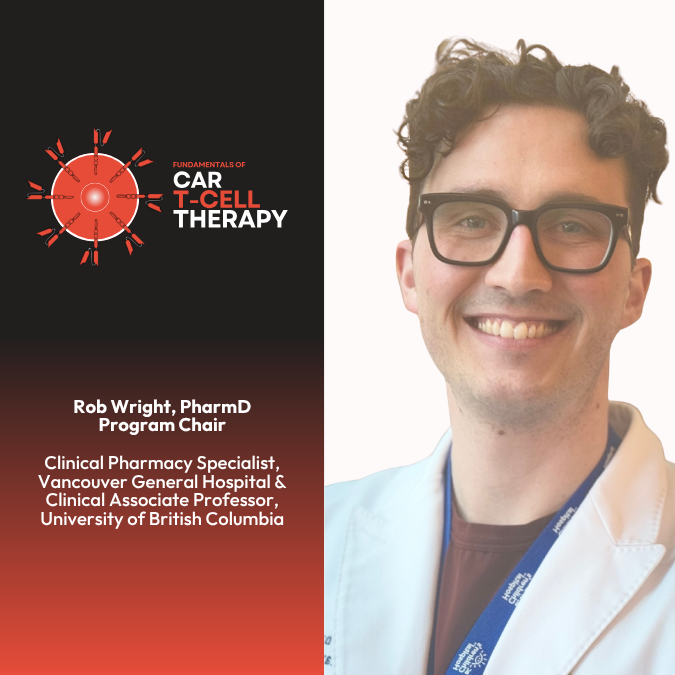
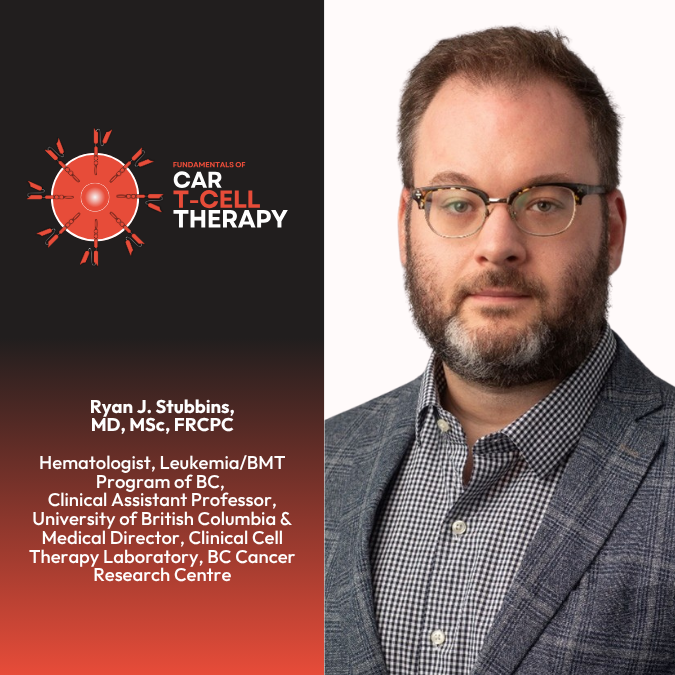
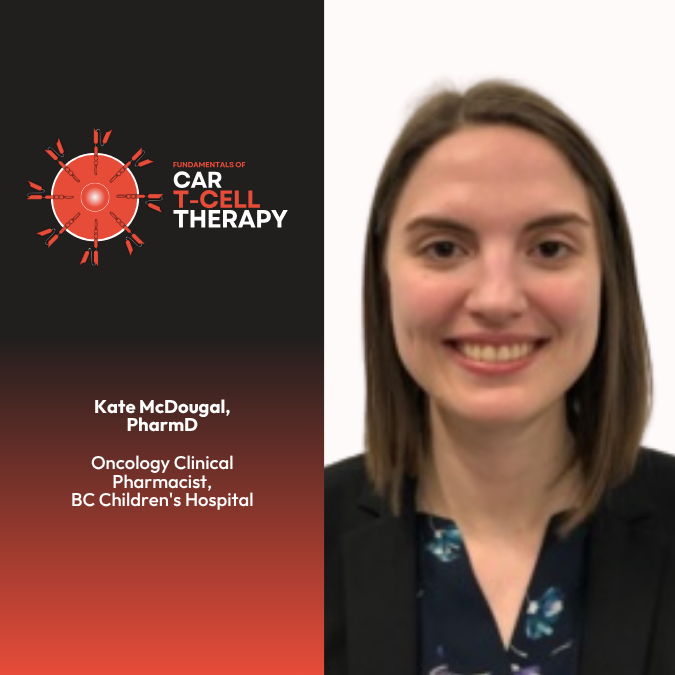
Under the guidance of the Innovative Medicines Canada Code of Ethical Practices, this program is extended to Healthcare Professionals only.
This is a Canadian Donation and Transplantation Research Program knowledge mobilization activity.
CSHP has received financial support from Bristol Myers Squibb and BC Children’s Hospital Research Institute for this learning activity.